Lauren Petrosky
Field Marketing Manager
Blog
Field Marketing Manager
Autumn brings Thanksgiving and the kickoff to the holiday season, a time often described as a season of abundance. And for many of us, it is. We’re surrounded by family, friends and usually way too much food.
But unfortunately, that abundance isn’t shared equally, especially for people who are food insecure. It raises the question: What can we do with what we already have to help others?
Gratitude helps us appreciate what we have. But it can also nudge us to look at what we have too much of—like food—and think about how we might put it to better use. It’s a significant opportunity, particularly for the events industry.
PRA's Chicago team recently seized that opportunity to explore how excess cuisine from an event could help both the planet and people during a sustainability team event with Rescuing Leftover Cuisine (RLC).
RLC, a national nonprofit food rescue organization, redistributes surplus food to “feed people, not landfills.” Their goal is to prevent wasted food, provide for people, and preserve the environment for future generations.
Melissa Tucker, Experience Designer II and Green Team member, and the Chicago team worked with RLC to “engage the Chicago office to participate in Sustainability Day and have the chance to give back.”
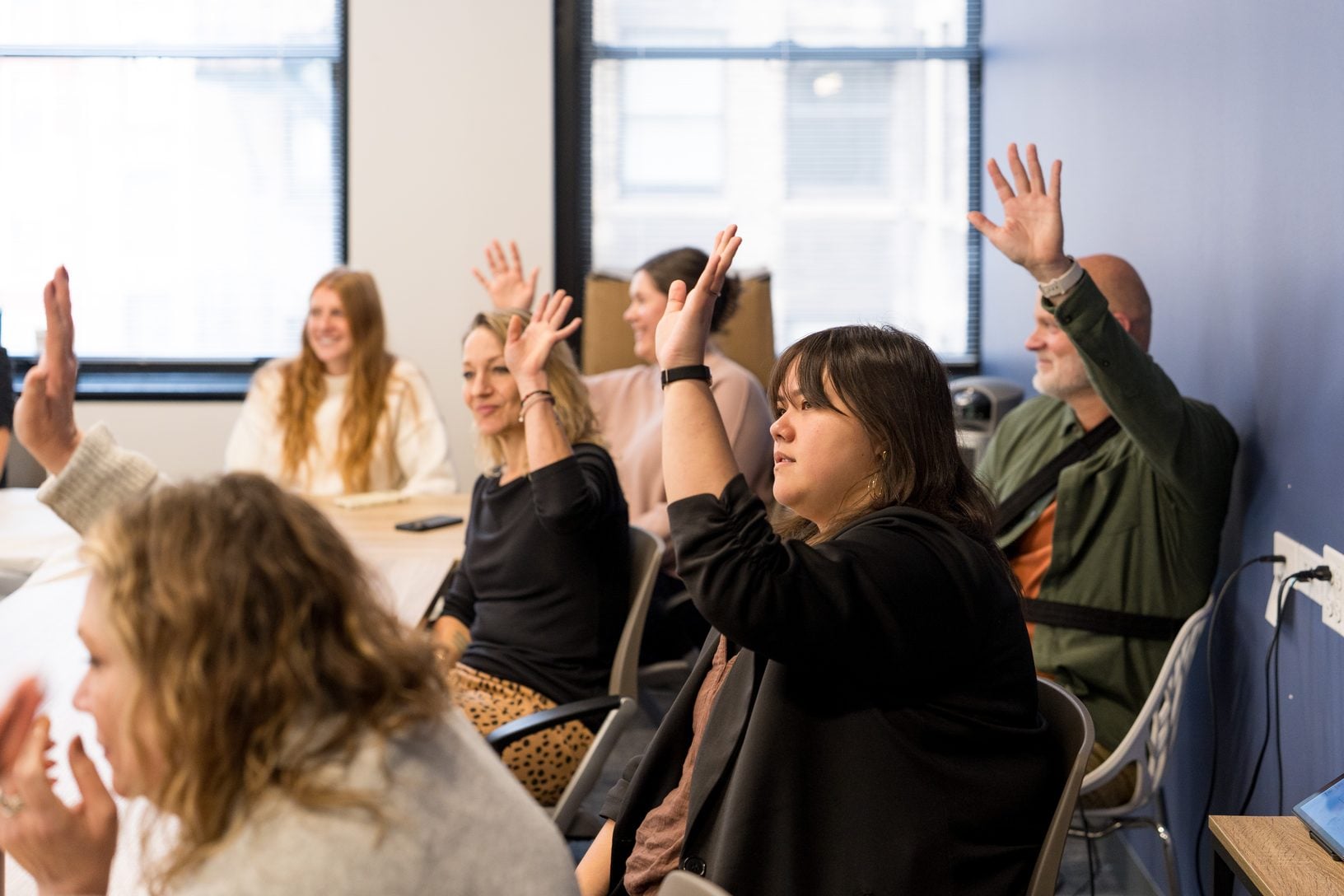
RLC brought these numbers into focus with an engaging presentation that got the team thinking. “It was pretty creative,” Silvana Marzullo, Senior Event Producer, said, “For instance, how many Millennium Park Beans or Wrigley Fields could you fill with the wasted food?” More importantly, the exercise connected the issue directly to the team's work. “Obviously, it pertains directly to our industry because we see so much food waste,” Silvana said.
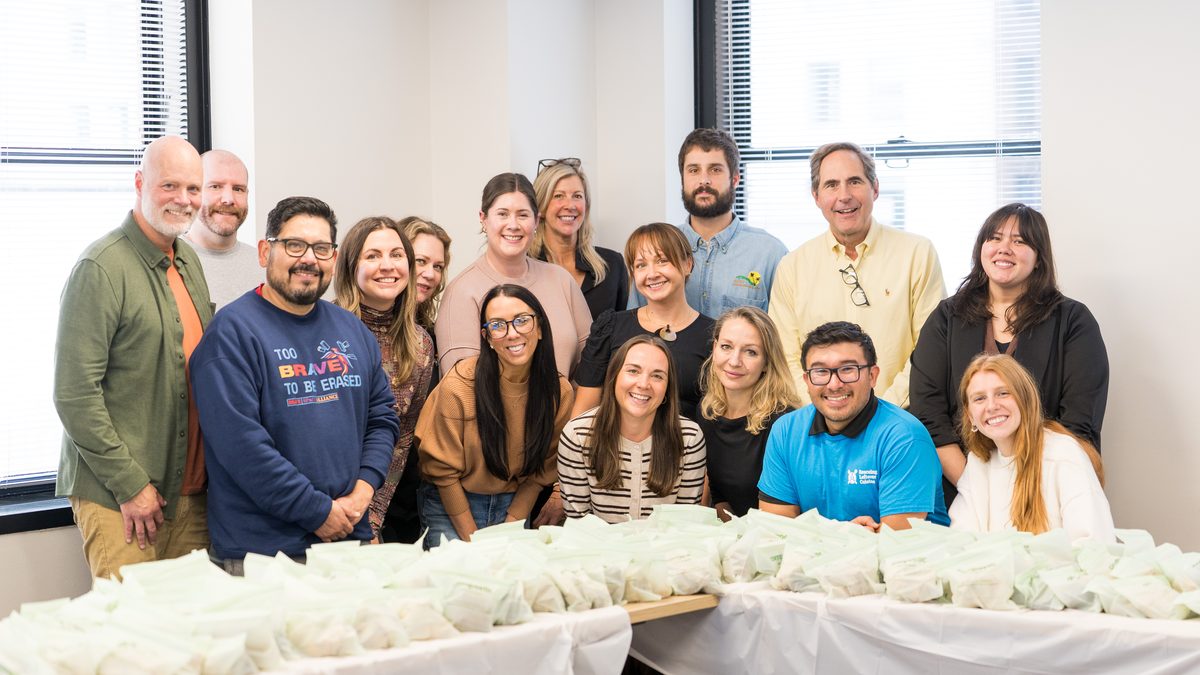
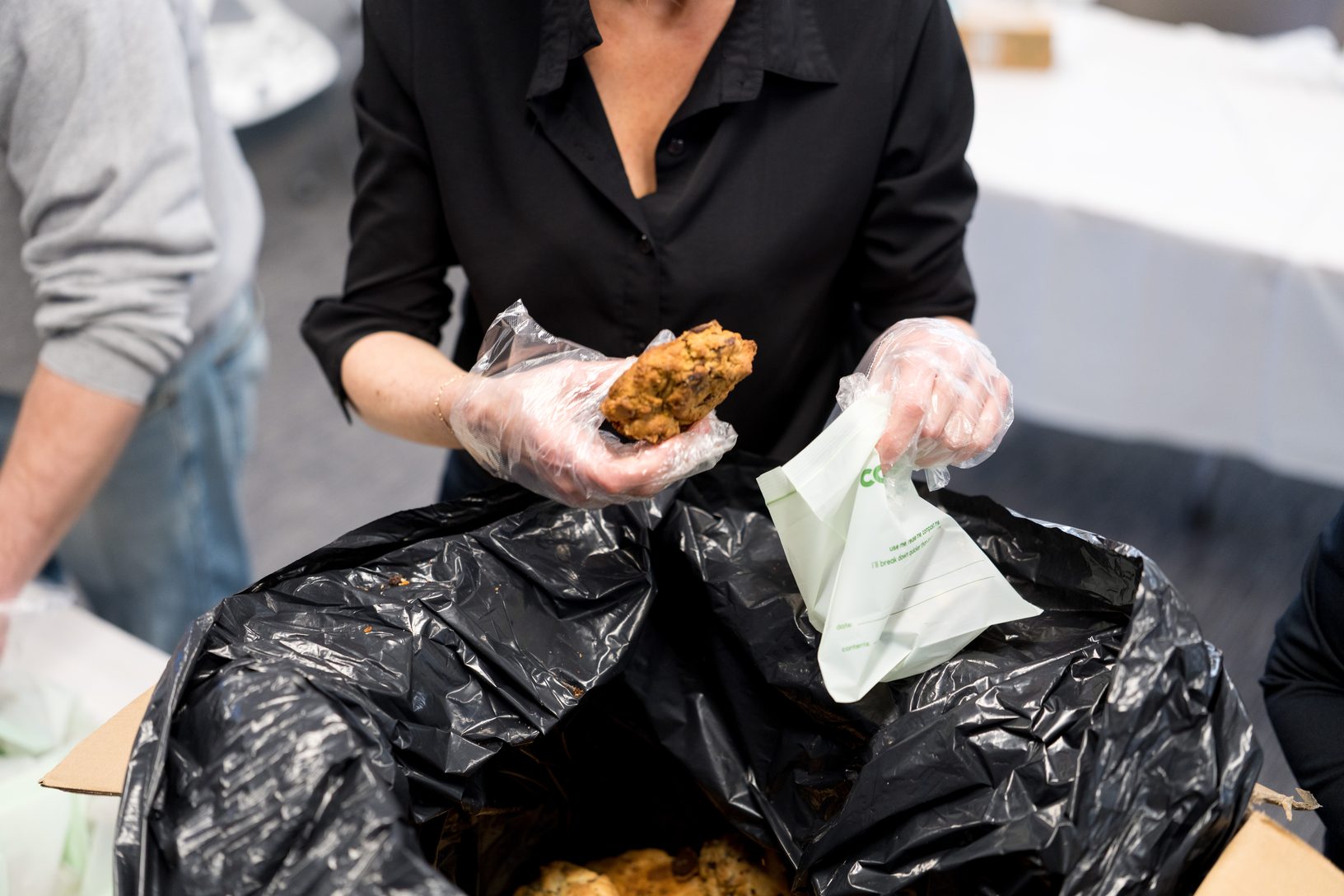
Equipped with the facts, the team across levels and roles, got to work, and putting on gloves and hairnets and packing Levain cookies to be redirected. A representative from the receiving organization was also there, connecting the work being done and where that food was actually going. The hands-on experience resonated. “It wasn’t just an email on sustainability,” Silvana shared. “It makes it more memorable.”
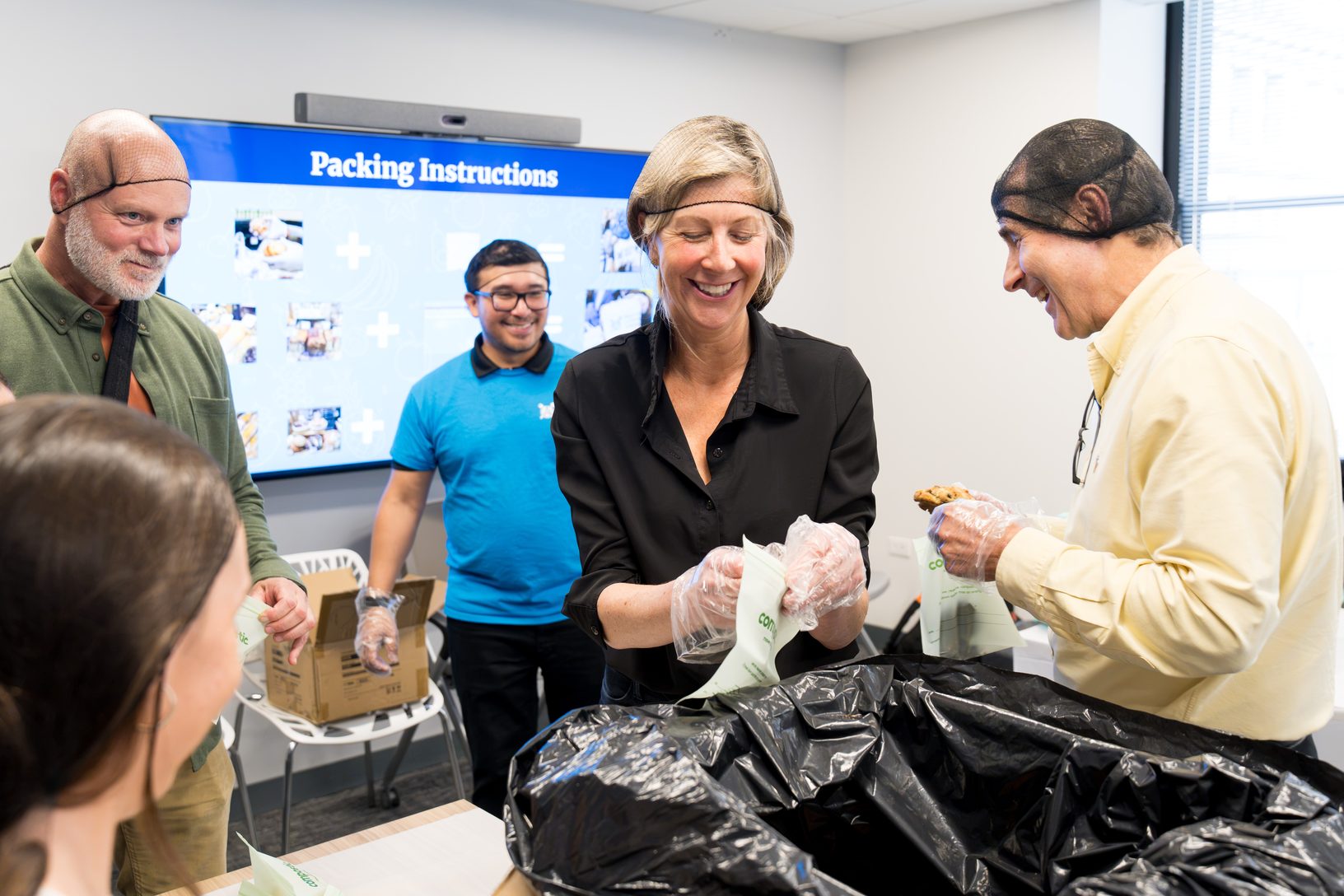
RLC Chicago works with food businesses to rescue excess food and deliver it to community organizations supporting people experiencing food insecurity. The organization says its Chicago operation has rescued more than 625,000 pounds of food and provided more than 521,000 meals since the branch was founded in 2022.
It’s an opportunity Silvana has witnessed firsthand within the events industry. “I’ve seen entire trays of food that are being tossed,” she said. “It happens all the time.”
Catering companies and hotels are often not able to take on the risks of repurposing food; RLC acts a middleman taking on potential liability between the donor and the charitable organization. Along with all the volunteers who make it all happen, it’s a huge value-add. And because events operate at scale, even small changes have the potential to make a substantial difference.
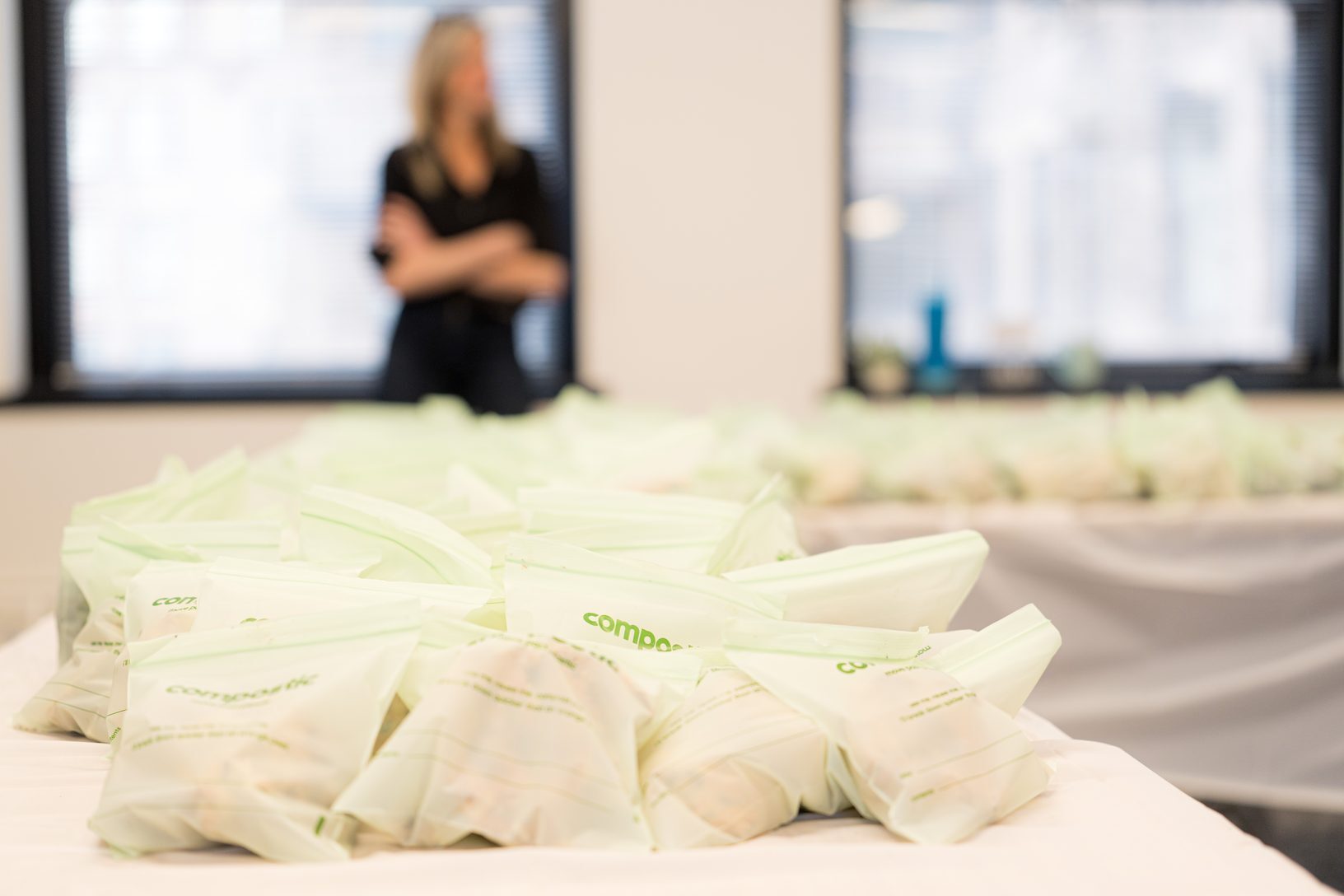
“Because we deal with such large numbers, we have the potential to really make an impact,” Silvana said. “One event for 2,000 people is going to increase the food waste.”
Sustainability doesn’t always mean reinventing an event. More often, it’s taking small steps or making a process change. In fact, it was one of the questions the Chicago team asked RLC: What if PRA knew there would be excess food at the end of an event?
“They said, ‘Yes, we could come at the end of the event,’” Silvana recalled. With advance notice and coordination with the caterer or venue, “we have the possibility to start that conversation.”
What if asking about excess food became another question in the planning conversation? What happens to untouched food after the event? Does the venue already have a donation program? Could an organization like RLC be brought into the conversation before an event begins?
Those are relatively small questions. But multiplied across events, venues, caterers and clients, they have the potential to become something much bigger.
“Where do we go from here?” Silvana asked. “What can PRA do to partner with an organization like this, periodically or on a regular basis?”
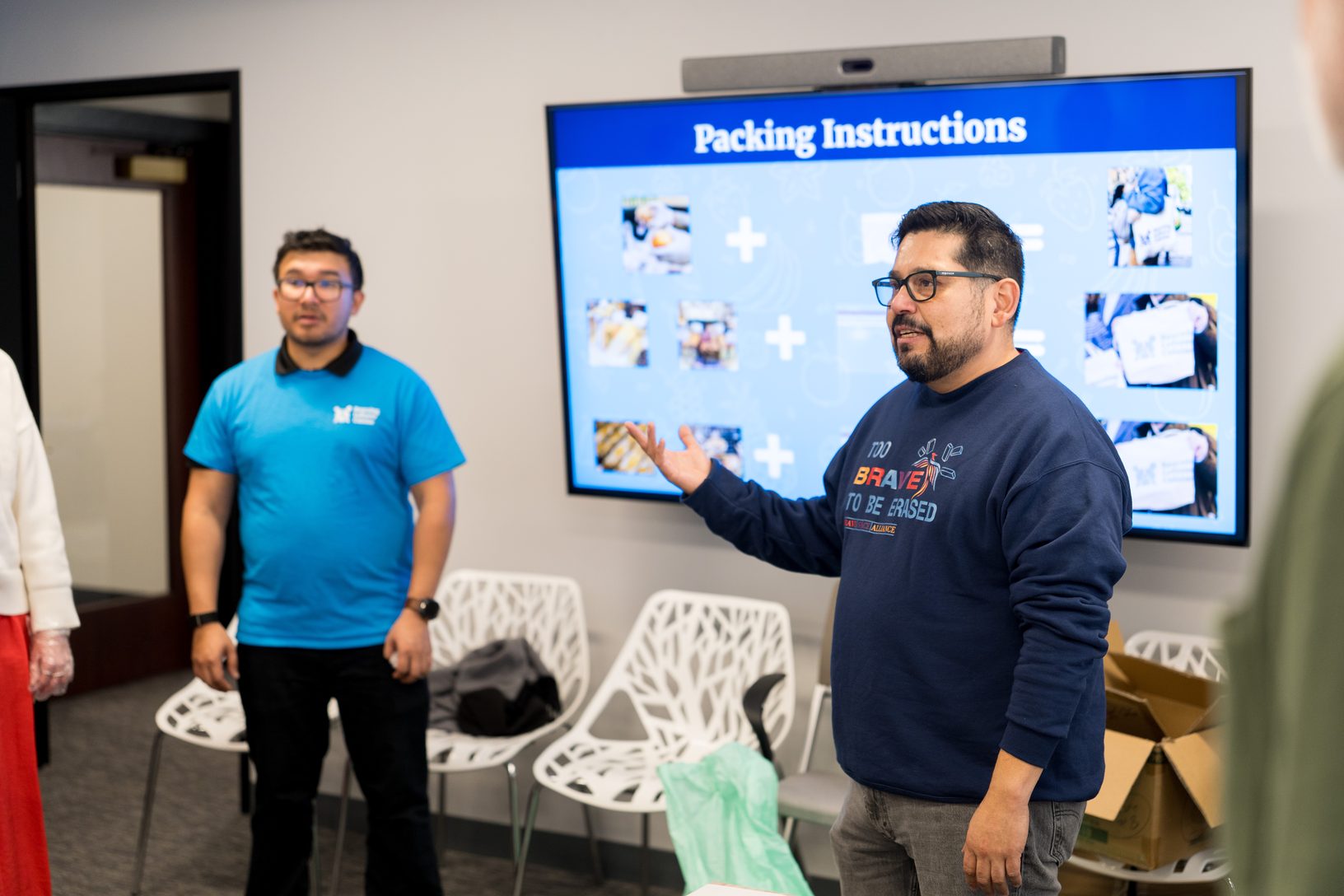
Connection is already at the heart of what we do at PRA. We connect clients with trusted, local venues, caterers, and partners to create experiences in destinations across the country. RLC and similar organizations bring a new possibility into that network: connecting excess food with people who need it.
“We’re always trying to find local suppliers in the city,” Melissa said, pointing to PRA’s continued search for local businesses and new partnerships that can bring something meaningful to an experience.
For Silvana, that makes education just as important as action. “It is a nice balance between educating ourselves so that we can be a conduit for these kinds of conversations with clients and suppliers.”
And it goes beyond simply saying sustainability matters. “It’s not just about putting a green leaf on something,” Silvana said. “We really want to contribute to being a part of these bigger conversations.”
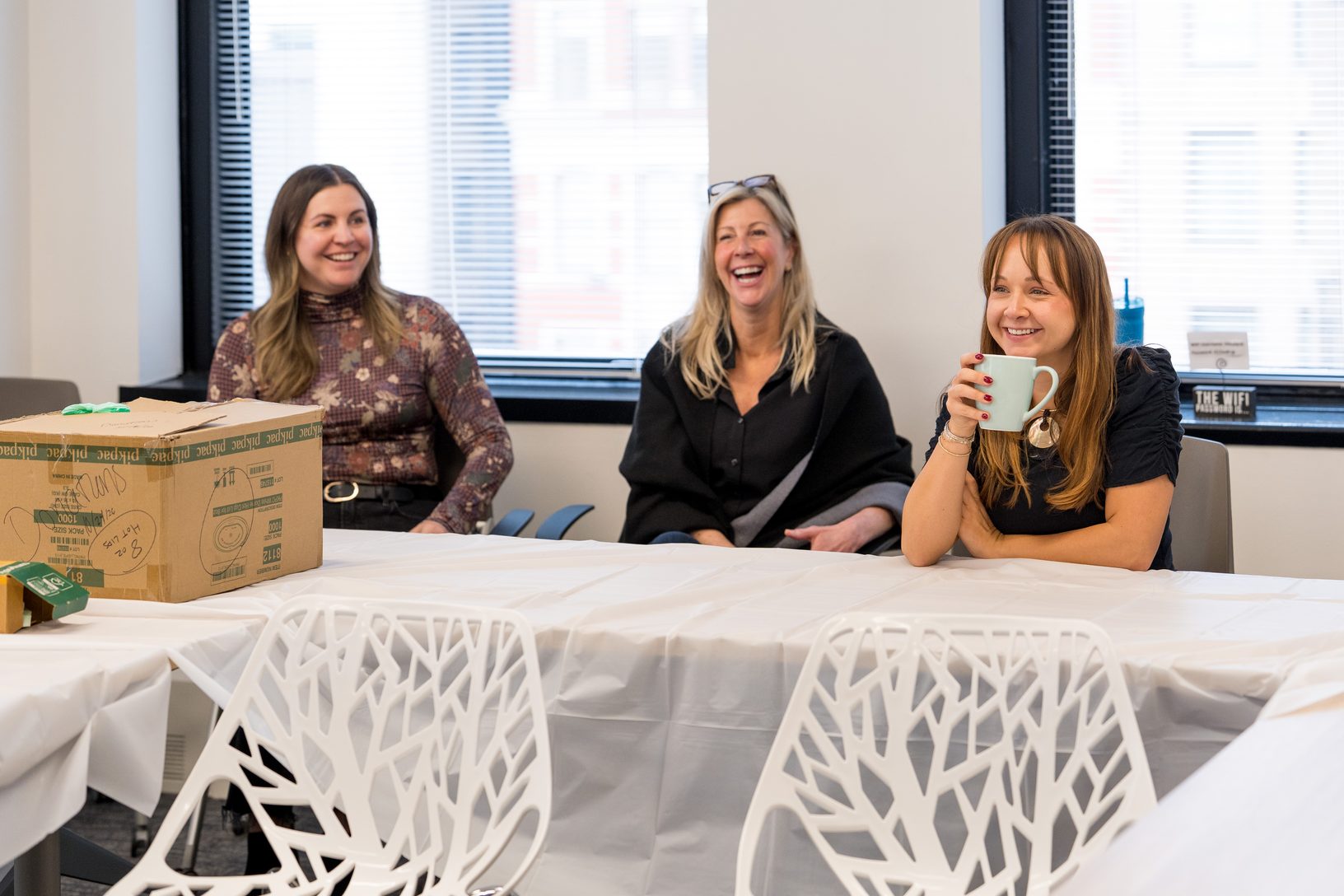
The Chicago experience showed how one relatively small action can bring people together. Silvana recalled how “everyone in that room, from newer employees to the CFO, put on hairnets and gloves and got to work together.”
Giving back doesn’t always require a grand gesture. It can be as simple as attending a volunteer event, bringing sustainability into the planning process, or introducing a client to a local sustainability organization. It can simply be ensuring leftover cuisine from events goes to people rather than to a landfill.
It’s all another way of extending the gratitude of the season: finding ways to make what we appreciate count more for others.
So, how much wasted food is RLC talking about? Enough to fill the Millennium Park Bean 250 times or Wrigley Field 12 times. For an industry built around bringing people together over food, that scale is hard to ignore. RLC Chicago gives businesses, events and festivals a practical way to turn that excess into impact.