Blog
Inclusive by Design
When I think about inclusive design, I don’t think about it as a separate layer of work. It’s just part of how I approach every event and experience.

Author
In experience design, we often work with audiences from all over the country—and the world. That reality shapes everything from how we plan event flow to the smaller details that make people feel comfortable the moment they arrive.
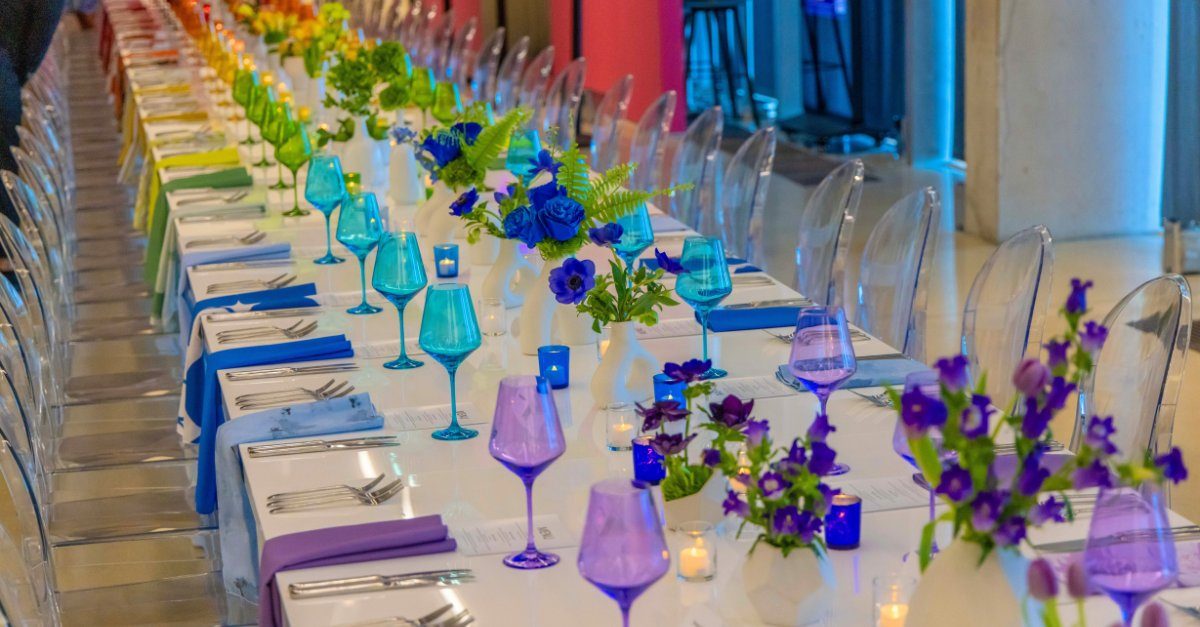
Meet People Where They Are
To me, inclusive design starts with awareness. It’s about recognizing that people experience events differently based on their backgrounds, cultures, and preferences. The key is to understand who attendees are before you start designing the experience—think beyond job roles to how they connect, socialize and engage with the world.
- Account for cultural norms and expectations. Attendees from different countries and regions may have different habits, preferences and expectations around socializing, hospitality and event experiences. Understanding those nuances helps create an environment where everyone feels comfortable and welcome.
- Recognize different ways people gather and connect. Some groups thrive in highly social settings, while others prefer more relaxed or structured interactions. Designing with those differences in mind allows attendees to engage in ways that feel natural to them.
- Provide thoughtful options for dietary preferences and restrictions. Our chefs work hard to develop creative, intentional menus beyond a single fallback option, ensuring enticing options are available for everyone.
- Create environments that are easy to navigate and accessible for everyone. That means thinking about ADA compliance, ensuring staff are well-trained on locations and information, and making the experience intuitive from start to finish.
- Think about comfort in practical terms. If there’s a 10-minute walk between venues, build-in a shuttle option.
- Provide curated maps. Highlight restaurants, bars, and recommendations so attendees can engage on their own terms.
- Offer choices. For example, offer the option to Include pronouns on badges so attendees can show up as themselves.
The goal is to meet people where they’re at. That starts by asking better questions upfront—who are these attendees beyond their job titles? What do they enjoy? How do they connect?
Not everyone wants the same experience. Some attendees thrive in high-energy, social settings. Others prefer quieter, more low-key interactions. The challenge—and the opportunity—is designing an environment that works for both. Assuming you know your audience is one of the biggest mistakes you can make.
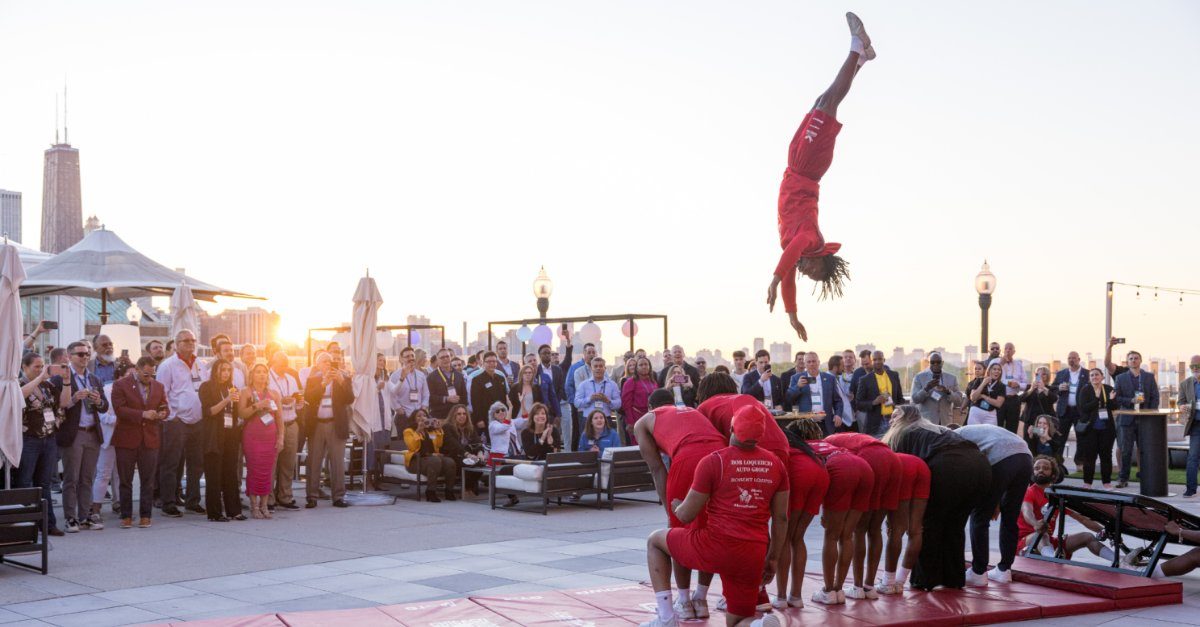
Choice is the Foundation of Inclusion
To me, inclusion comes from offering options. That applies across the entire experience. From a catering perspective, it means accommodating dietary preferences and restrictions in a thoughtful way—not just offering a fallback option but creating menus that feel intentional and inclusive.
It can be as simple as clearly labeling what’s available, or as visible as including pronouns on badges so attendees can show up as themselves.
But where it really comes to life is in how people connect during an event. Not everyone wants the same experience. Some attendees thrive in high-energy, social settings. Others prefer quieter, more low-key interactions. The challenge—and the opportunity—is designing an environment that works for both.
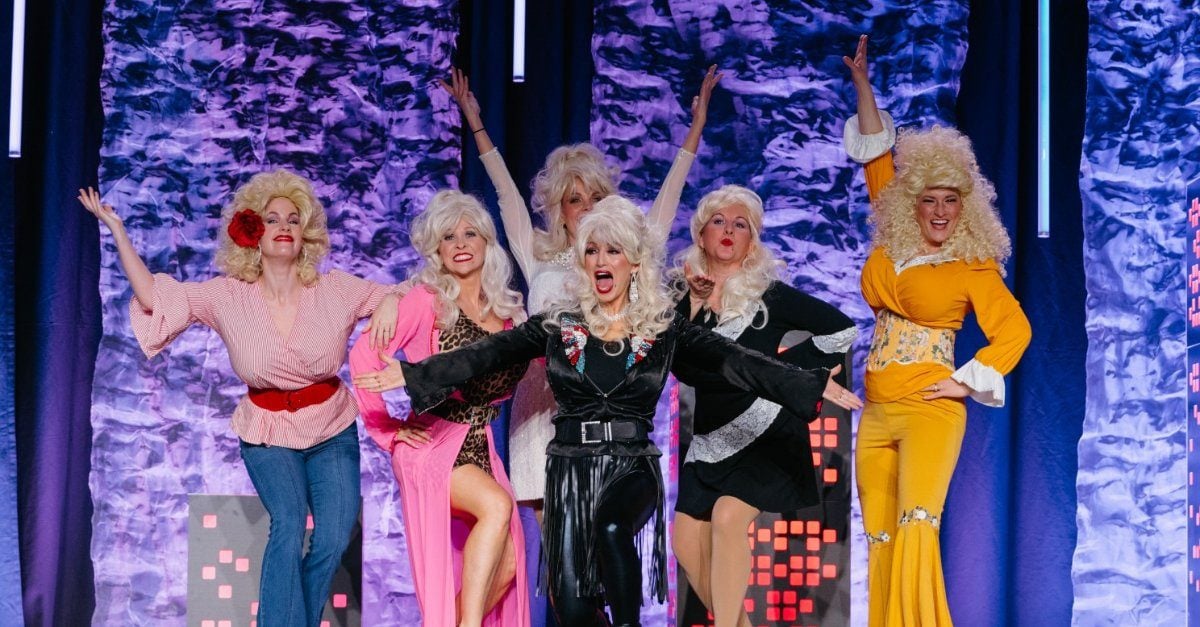
Don’t Force Connection—Create Space for It
One of the biggest misconceptions in event design is that you must orchestrate connection. But in reality, the best connections happen naturally.
Instead of forcing interaction, we create a range of activities and let people engage in the way that feels right for them. That might look like a lively competition or live band karaoke for those who want to jump in, alongside quieter activations like trivia stations or interactive experiences. We’ve also built experiences like CSR stations, where attendees can come together organically while contributing to a local cause—something that naturally sparks conversation across departments and personalities. When you give people options, the “flow” just happens.

Design for Differences, Not Sameness
It’s actually easier to plan for a homogeneous group. But it’s far more interesting, fun and impactful to design for a diverse audience. That’s where inclusive design becomes creative. You’re not just solving one type of attendee—you’re finding ways to bring different personalities, preferences, and perspectives together in a way that feels cohesive. That might mean using signage and displays to make sure activations don’t get lost in the space, especially for larger groups. Or creating layered experiences that appeal to both introverts and extroverts.
Ultimately, it’s about making sure no one walks away feeling like the experience wasn’t for them.
Inclusion is About Creating Belonging
One question that comes up is whether inclusive design risks singling people out. For me, the answer is no—because true inclusion doesn’t highlight differences. It makes them feel natural. The objective isn’t to design an experience and say, “this is for you.” It’s to create something that everyone can enjoy without needing to label it. When it’s done well, it feels effortless.
Looking Ahead: Inclusive by Default
As events continue to evolve, I see inclusive design becoming even more embedded in how we think about experiences—especially through technology.
We’re seeing more interactive elements that don’t require a lot of physical effort and allow anyone to engage comfortably. Experiences like robotic cocktail or coffee bars create curiosity and interaction without putting attendees on the spot. At the end of the day, we always strive to design experiences that are engaging, flexible, and accessible to everyone. Inclusive design isn’t a trend. It’s just good experience design.
That philosophy is at the heart of our Central Creative Team, a unique collective of strategy and experience experts who help turn ideas into meaningful, memorable event experiences. Learn more about the team and their work.