Sydney Stiegel
Senior Marketing Coordinator
Blog
Senior Marketing Coordinator
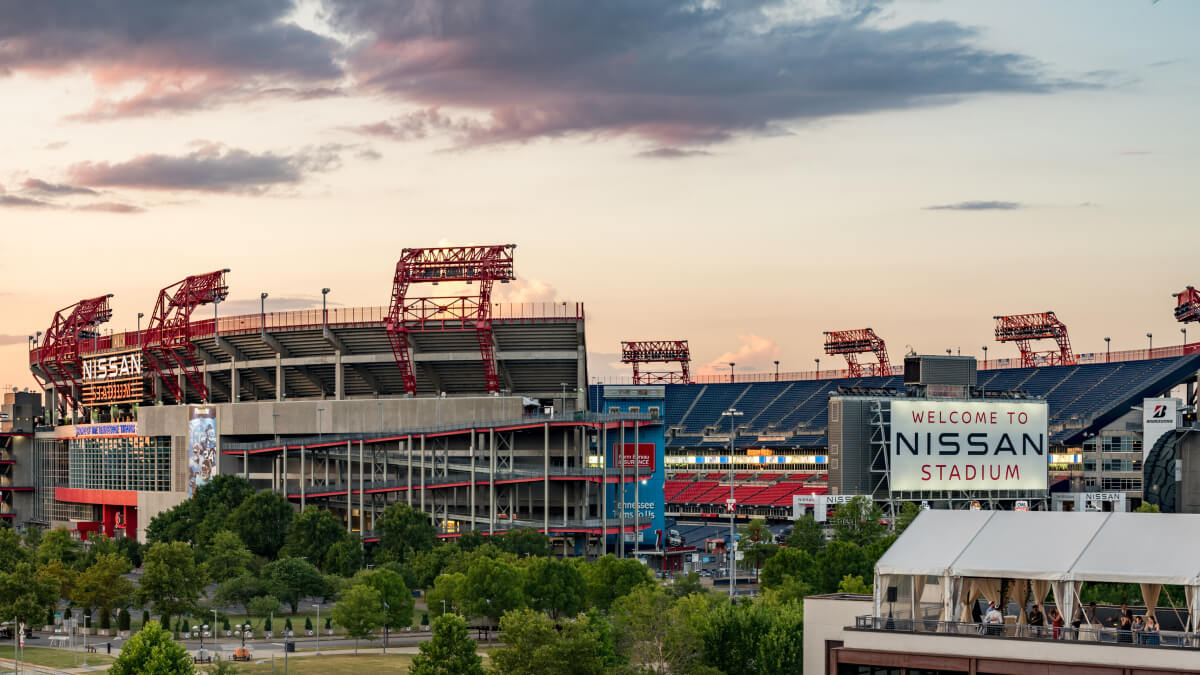
I sat down with Danyelle Kennedy, Global Sales Director at PRA and Rachel Guymon, Director of Sales for Special Events for the Tennessee Titans to explore how stadiums are evolving as event destinations, why trusted DMC partnerships matter, and what the Titans’ new stadium will bring to Nashville.
Rachel: Stadiums have become much more than places to watch football. At Nissan Stadium, our special events team focuses on everything that happens outside of game days and major concerts. That could be a small executive meeting, a private concert, a team-building event on the field, or a large-scale conference. People still tend to think of them only as sports venues, but now they’re designed with events in mind, making them incredibly flexible options for planners.
Danyelle: I think a misconception around stadiums still exists. When planners hear "stadium," they immediately picture a buyout for thousands of people. But what we're seeing is that stadiums have become experience venues. Sometimes that's a large citywide event, but sometimes it's an executive dinner on the 50-yard line. The question isn't whether a group is big enough for a stadium. It's whether the venue helps create the kind of experience you want guests to remember.
Rachel: Nashville is already a world-class destination, but this stadium elevates what's possible. The roof is a game changer because it creates a climate-controlled environment available year-round. I often describe it as one giant ballroom because of how versatile the field will become for private events. Beyond that, it opens opportunities for larger sporting events, conferences and citywide programs that may not have considered Nashville before. The stadium was a key factor in Nashville being awarded the 2030 Super Bowl, and it strengthens our ability to pursue events like the Final Four and other large-scale experiences. It's not just about the building itself. It's about the collaboration between the stadium, hotels, tourism partners and city leadership to continue growing Nashville as a premier destination.
Danyelle: From my perspective, it really takes Nashville to the next level. Nashville has always had incredible energy, along with the hotels, entertainment and hospitality that planners love. The new stadium provides even more opportunity with a venue that can comfortably host larger groups in one place. Add the airport expansion, continued hotel growth and developments like the East Bank project, and planners realize Nashville is a winning destination for their future programs.
Rachel: They're huge. DMCs are truly an extension of our special events team. They have relationships with clients across multiple markets and often know about opportunities long before they reach the venue stage. The strongest partnerships are built on trust, communication, and a shared commitment to creating successful events. When we have strong relationships with DMC partners like PRA, conversations happen quickly, ideas move faster, and we can work collaboratively to identify solutions for clients. That's especially important when you're managing complex schedules, large convention groups, and multi-year planning cycles.
Danyelle: I think what's often overlooked is how much trust goes into those relationships. The best venue partners aren't the ones that always say yes. They're the ones who tell you honestly what's possible. Rachel and I have worked together for years, and that allows us to have direct conversations about dates, feasibility, and client expectations. For planners, that means they're getting real answers before investing time and resources into a concept. That's where a strong DMC partnership creates value. We bridge the gap between the vision and the venue's reality.
Rachel: Absolutely consider it. Modern stadiums offer a turnkey experience that many planners don't initially expect. Dedicated event teams, built-in security, existing infrastructure and flexible spaces can simplify planning and often provide more value than people realize. Stadiums can host everything from an executive dinner on the 50-yard line to a large-scale general session for thousands of attendees. There's also an undeniable wow factor. Walking onto the field creates an experience that's hard to replicate anywhere else.
Danyelle: I'd encourage planners to think beyond capacity and start with experience. Some of the most memorable programs aren't necessarily the biggest. Stadiums give planners access to a venue that guests would never experience in everyday life. That's powerful. If the venue helps tell the story of the event, creates a sense of arrival and simplifies logistics at the same time, it deserves a place in the conversation.
Rachel: The possibilities. No idea is too ambitious for us to explore. With features like a climate-controlled environment, extensive rigging capabilities, a large loading dock, flexible field space, and even a built-in performance stage, the new stadium was designed to support creativity. We can accommodate large productions, immersive brand experiences, live entertainment, and intimate executive gatherings. The future of stadium events is about thinking beyond what a stadium traditionally represented and embracing what they can become.
Danyelle: Seeing planners expand their definition of what a stadium can be. These venues aren't just for game day or massive buyouts anymore. They're becoming some of the most versatile event spaces in a destination, and when you combine that with strong partnerships between venues and DMCs, it opens the door to experiences planners may not have considered before.
The most successful stadium events begin well before guests' step into it, or out onto the field. They begin with early conversations, honest collaboration, and partners who understand both the vision and the realities of the venue. Bring the stadium event team and DMC to the table early—with trusted partners on the same team; the possibilities are endless, and everyone wins.