Give it Up and Gain More
There’s a simple idea behind this year’s International Women’s Day theme, Give to Gain: when we give our time, trust, and support to others, we all thrive. It’s intentional and exponential.
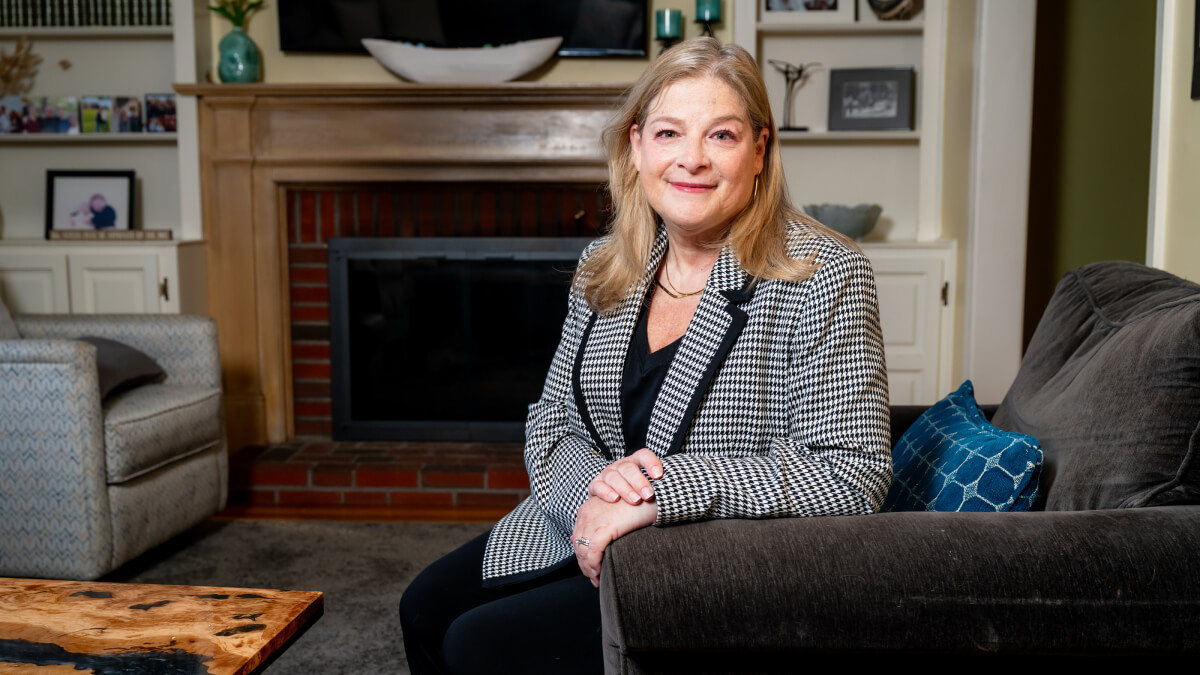
I sat down with Sharon Crichton, PRA’s Chief Operating Officer, to learn what this idea looks like to her as a leader every day. We talked about mentorship, imposter syndrome, allyship, respect, and the relationships that sustain you when the work gets hard. We talked about learning as you go. And we talked about simply saying yes before you feel ready.
In the spirit of Give to Gain and Women's History Month, Sharon shared her time, her perspective, and her story. The conversation that follows shares how giving can shape a career you may never have planned.
- Give to Gain can mean different things to different people. What does it mean to you?
Sharon: I love this year’s theme. Because for me, Give to Gain highlights mentorship—helping each other, lifting each other up, and stepping forward together.
Honestly, that’s been a huge part of how I’ve made it through my career. And it’s also what’s made my career so fulfilling. Being able to work with other women—as peers, as mentors, and as guides—it’s everything. Giving is worth the time. It’s how we all move forward.
- Did you have any mentors or someone who inspired you early in your career?
Sharon: Honestly, early on it was mostly men, simply because there weren’t a lot of women around me at the time. But I still remember the first woman who truly inspired me.
I was quite young, just starting out, and I watched her run a client meeting. She was confident. She was comfortable. She had fun with it. And everyone listened to her.
I remember thinking, “That’s who I want to be.” That was the first moment I saw what was possible.
- What about imposter syndrome—has it disappeared?
Sharon: No, absolutely not—I still have it at times.
But what I’ve learned as a woman leader is this: We’re good. We’re experienced. And if we make a decision that isn’t right, we will make another one that is.
Confidence doesn’t mean you never doubt yourself. It means you trust yourself enough to keep going regardless of the outcome.
- How can you help other women move beyond imposter syndrome?
Sharon: I think it helps to say it: you’re not alone.
I used to think confidence meant having all the answers. Now I think it means understanding that you’re allowed to figure it out as you go.
We’re going to make mistakes. Everyone does. That doesn’t make us unqualified. That makes us human. And honestly, once you stop chasing “perfect,” things become a lot lighter.
- You’ve mentioned allyship is bigger than gender. Why?
Sharon: Because the world isn’t just women. And progress doesn’t happen in isolation.
Some of my strongest mentors and allies have been men—people who were willing to listen, learn, and speak up when something wasn’t right.
A lot of times, people don’t intend to overlook someone. They just don’t notice that they are. Allyship is about paying attention and being confident enough to say, “Hey, something just happened there.” That awareness matters.
- You’ve said leadership ultimately comes down to respect. What does that look like to you?
Sharon: Respect, to me, is about how you show up. It's listening—really listening— and noticing when someone in the room isn't being heard. It's having the courage to speak up when something doesn't feel right, even when it's easier not to.
I believe it has to go both ways, and it has nothing to do with title or tenure. When we get that right, we create an environment where people feel safe, valued, and genuinely seen—and that's where the best work happens.
- Relationships are important to you. Why are they critical in the events world?
Sharon: When you're in it, you're really in it. This work moves fast—things go sideways, stakes are high, and decisions carry weight. There's no margin for second-guessing the people beside you.
Trust isn't just about keeping a confidence. It's knowing someone has your back and showing up the same way for them. That kind of trust doesn't happen by accident—it's built through openness, transparency, and integrity. And when it's there, everything else gets easier.
- What’s the best career advice you’ve ever received, or given?
Sharon: Say yes. My career hasn’t been a straight line. I’ve said yes to things before I felt ready—moving cities, taking on roles I didn’t fully understand yet, stepping into leadership.
If you’re even a little interested, say yes. Give yourself the shot.
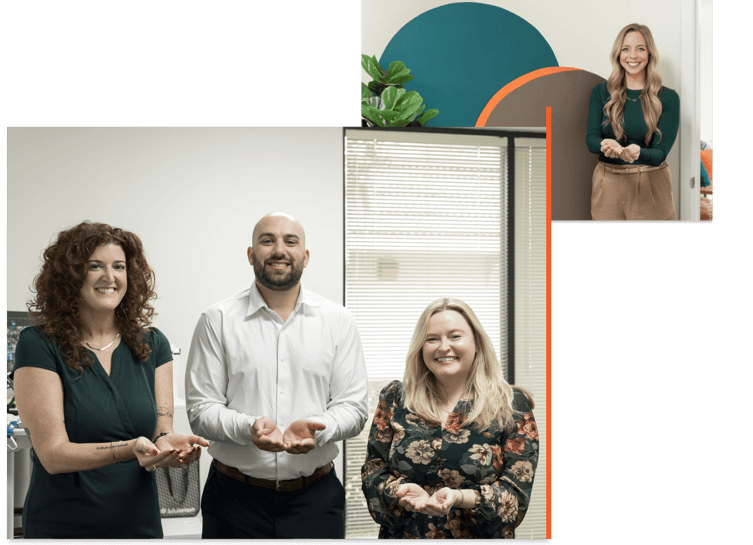
Sharon’s advice is simple, but it carries weight. Saying yes—to opportunity, to people, to the unknown—isn’t about having a perfectly mapped plan. It’s about momentum. And it’s at the heart of Give to Gain.
This story was featured in The Pinpoint, PRA's LinkedIn newsletter shaping what's next in event experiences. Subscribe to stay connected.